Mosquito Season in Superior, WI: When to Start Mosquito Control Services in 2026
Mosquito Control Services in Superior, WI: When to Start Treatments in 2026 and how timing shapes the entire season. This guide covers the Superior, WI, mosquito season timeline, what Lake Superior's climate does to local emergence dates, and why starting early often produces better results all summer long. Whether you own a residential yard near Billings Park or operate a commercial property along Belknap Street, knowing when to act makes a real difference.
The Superior, WI, Mosquito Season Timeline for 2026
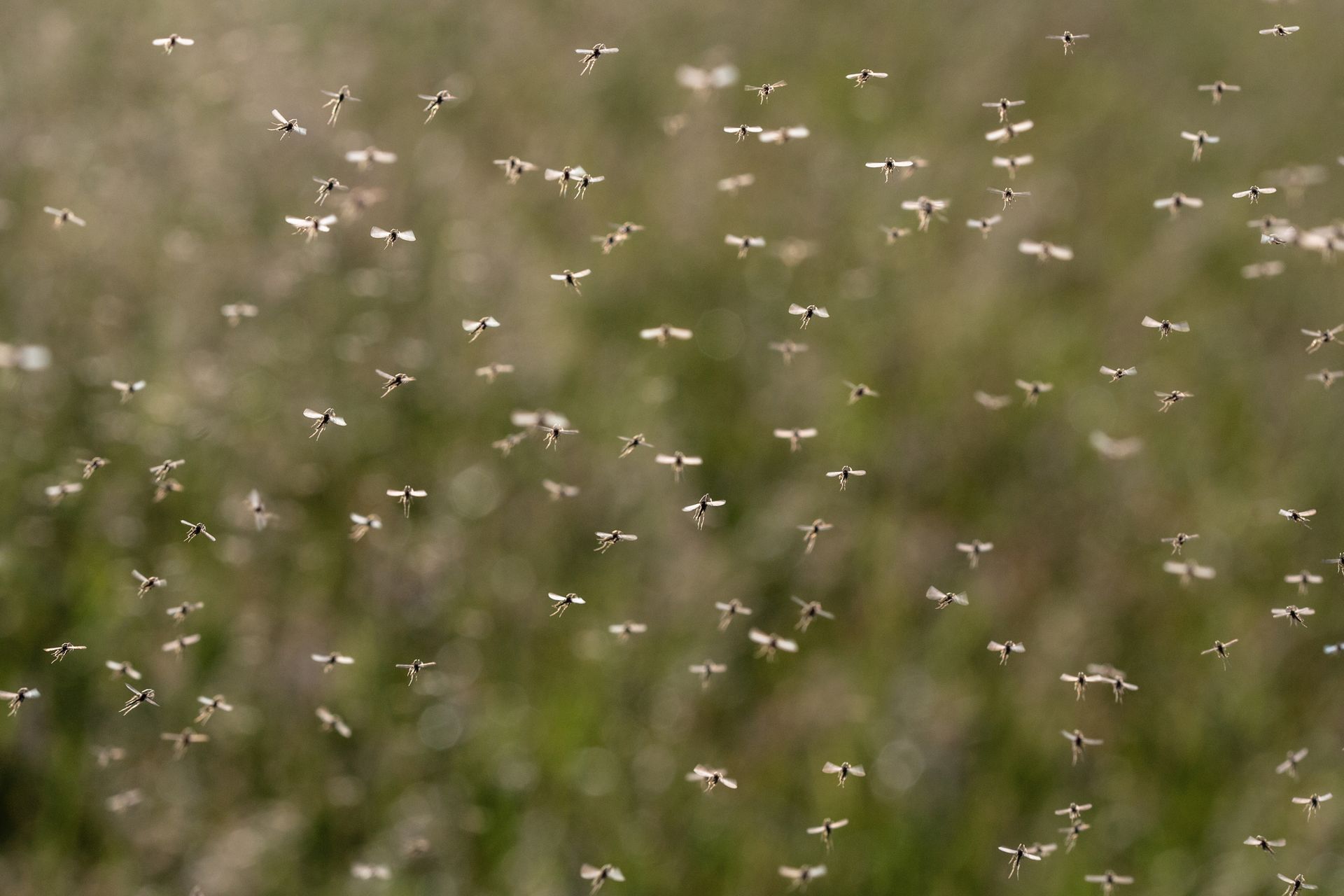
Superior's mosquito season follows a predictable but aggressive arc. Wisconsin's season typically starts in late May when temperatures consistently exceed 50°F, peaks from June through August, and ends by late September after the first frost. For Superior and Douglas County, that timeline may skew slightly later than southern regions due to Lake Superior's moderating influence, but the season can still be intense once it arrives.
In the Upper Midwest, three main mosquito types drive seasonal pressure: snow-melt mosquitoes that emerge in early spring; summer mosquitoes arriving around May or June that breed throughout the season; and cattail mosquitoes, which arrive around Independence Day and are considered the most aggressive. Douglas County's abundant wetland habitat means properties can see pressure from all three groups across the season.
Risk levels rank among the nation's highest statewide, especially near northern forests, lakeshores, and metro wetlands. Properties near the St. Louis River estuary, Allouez Bay, and the low-lying areas of the East End tend to experience the heaviest local pressure.
How Lake Superior Weather Affects Mosquito Emergence
Lake Superior's size and depth create a cooling effect that shapes the local climate directly. Average summertime temperatures at shoreline sites can run several degrees cooler than inland sites, which means spring soil temperatures in Superior may take longer to warm than in southern Wisconsin cities. Mosquito eggs need sustained warmth to hatch, so this lake effect can delay the first emergence by a week or more.
That delay is not a license to wait. Activity ramps up once overnight lows hold above 50°F and surges two to three days after rain, when fresh standing water triggers a new hatch. Heavy snowmelt from the Douglas County interior and spring rains pooling in yards, ditches, and low spots along the South End and Hammond Avenue corridors give mosquitoes ample breeding habitat.
Temperature is the governing biological variable: the primary species in this region becomes reproductively active above 50°F and reaches peak biting activity between 80°F and 90°F. Larval development from egg hatch to adult emergence can require as few as 7 days at peak summer temperatures, which dictates retreatment intervals in active Mosquito Control Services programs.
Why Starting Early Matters for Full-Season Results
Many property owners wait until they see mosquitoes or get bites before acting. By that point, breeding populations are already established. Scheduling your first Mosquito Control Services application in mid-to-late May, before the population builds, is more effective than responding after the fact.
Treating resting areas in shrubs, along fence lines, and under decks before female mosquitoes lay their first eggs can reduce the population that carries through June, July, and August. A proactive first application limits how fast numbers climb once the season peaks. Think of it as setting a ceiling on how bad mid-summer can get.
Residential vs. Commercial Treatment Timing in Superior, WI
Timing and frequency differ depending on property type. Residential Mosquito Control Services in Superior, WI, typically follow the general season arc. Most homeowners benefit from a first application in mid-to-late May, with retreatments spaced across the summer to maintain coverage through Labor Day.
Commercial mosquito control covers larger properties such as event venues, hospitality businesses, parks, and multi-unit properties, often requiring more frequent treatments and customized scheduling. A restaurant with an outdoor patio near Barker's Island, a lodging property, or a summer event venue may need to coordinate treatment timing around guests and public hours. Commercial properties also benefit from treatments timed ahead of specific high-traffic events such as waterfront festivals or outdoor weddings.
Both property types benefit from a consistent schedule rather than reactive, one-time sprays. Regular retreatment keeps populations from rebounding between applications.
How Often Should Treatments Be Repeated?
Retreatment frequency depends on property size, activity level, and surrounding habitat. Programs are typically designed around recurring visits spaced throughout the peak season to maintain effective coverage as mosquito populations cycle. A licensed professional can provide a site-specific schedule for Superior, WI, properties.
Is Mosquito Spray Safe for Pets and Children?
Licensed professionals apply EPA-registered products at rates and under conditions designed to minimize exposure risk to people and pets. Re-entry timing varies by product. Ask your provider for specific guidance before the first application, and follow any posted re-entry instructions for your yard.
Get Ahead of the 2026 Season in Superior, WI
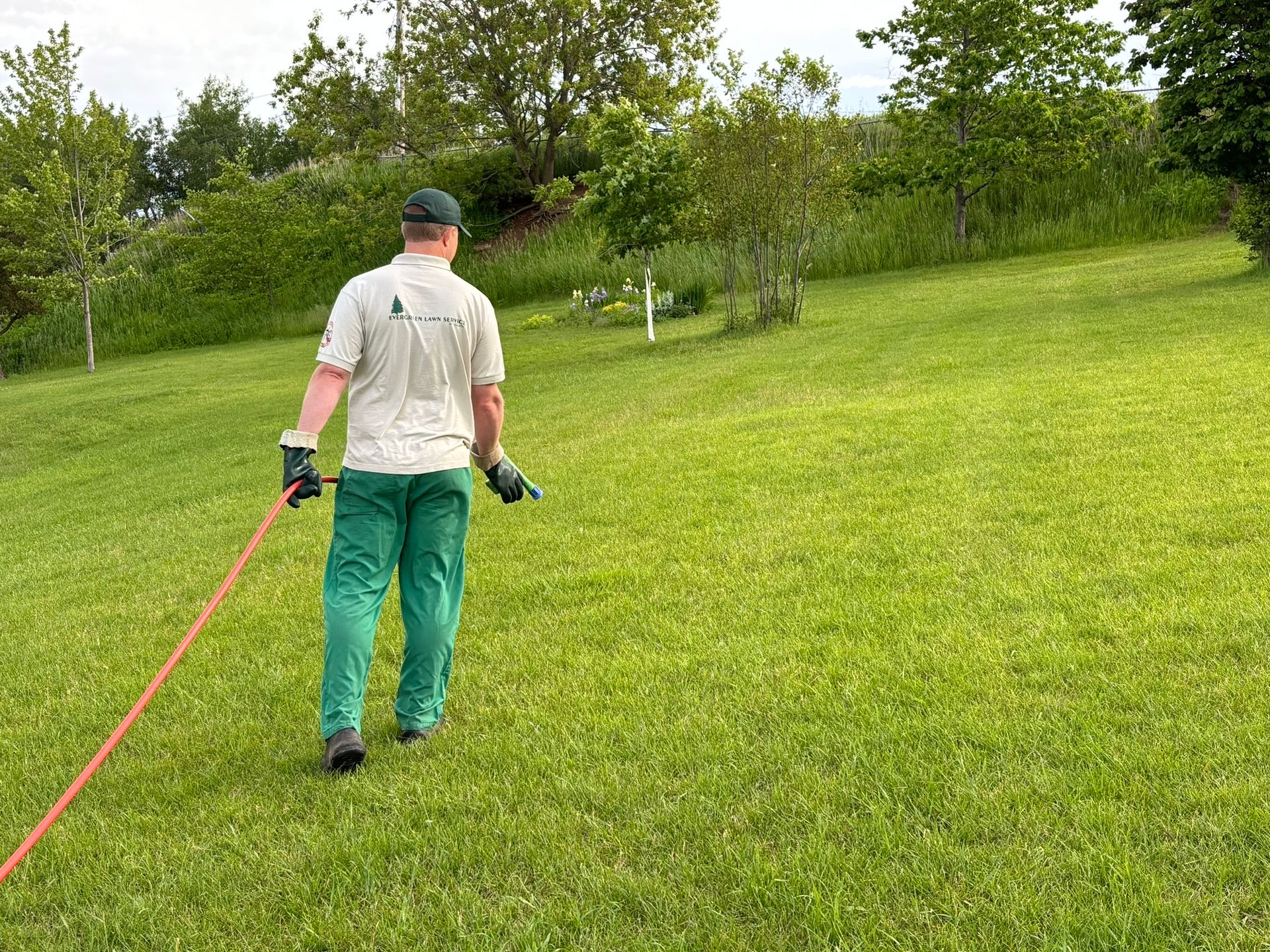
The best time to act is now. Scheduling your first treatment before mosquitoes emerge puts you ahead of the season rather than chasing it. Evergreen Lawn Service serves Superior, WI, and surrounding Douglas County with seasonal
mosquito control services built for North Shore conditions. Call
(218) 525-4066 to request a free quote, or
contact the team online to schedule your first treatment.
Find Evergreen Lawn Service on Google to read local reviews and get directions.